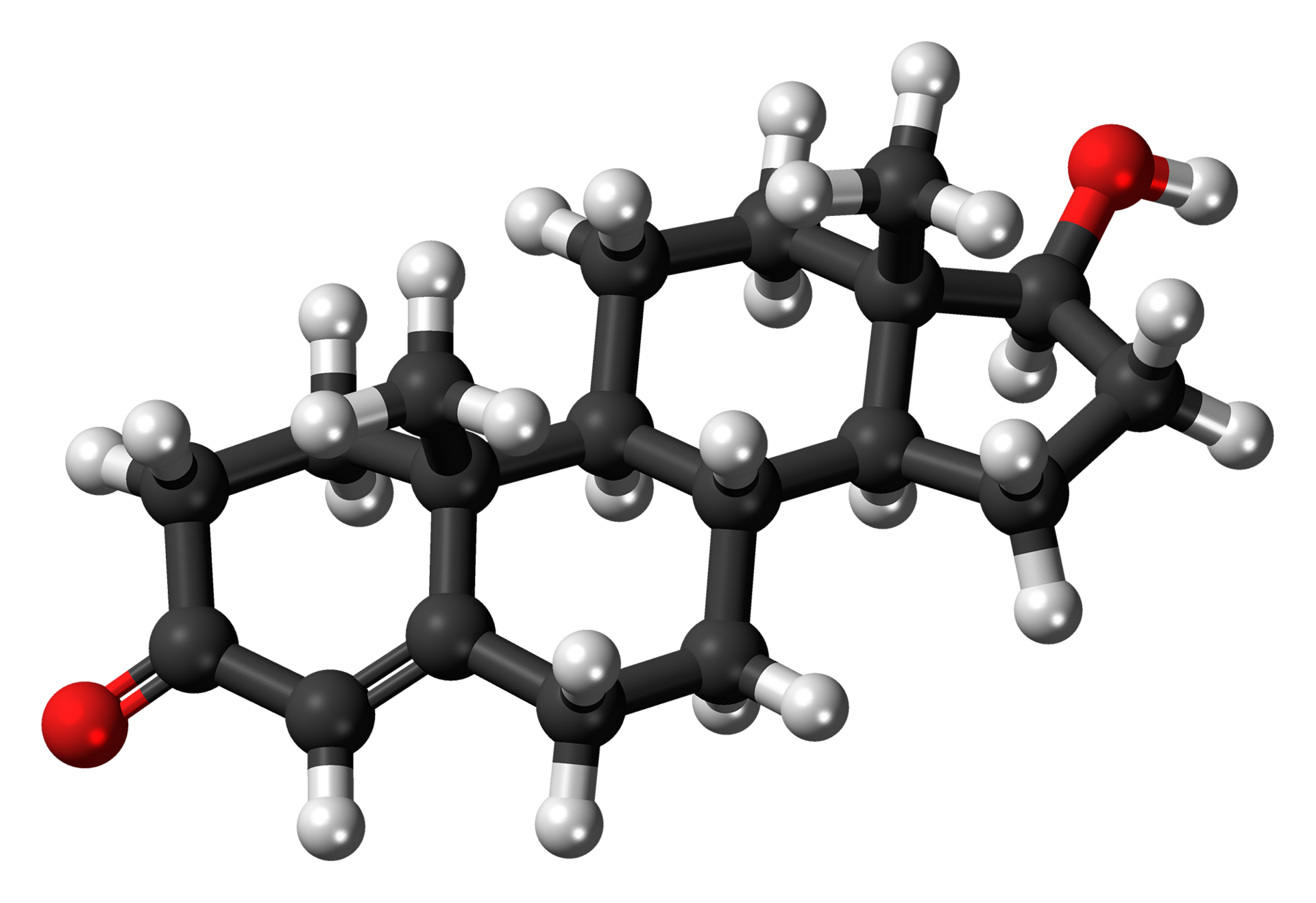
Pellet hormone replacement therapy is the delivery of bio-identical hormones inserted under the skin. They are made up of hormones (bio-identical testosterone and estradiol primarily) that are pressed or fused into very small sterile solid cylinders that are roughly the size of a grain of rice or tic tac and are placed just under the skin in fat.
Hormone replacement therapy (HRT) using pellets is not new and has been available and researched for more than 70 years. Pellet implants were initially developed in France in the 1930’s for menopausal females. They were brought to the United States by Dr Greenblatt, the creator of the birth control pill, from the late 1930s to the early 1970s to restore hormone levels in postmenopausal women. Estrapel (bio-identical estradiol) was the first pellet estrogen therapy. Despite its success, the FDA never did approve it for women’s health. With the promotion of Premarin (an oral synthetic estrogen product) by the pharmaceutical industry in the 1940s, pellet hormone therapy became less popular. In the late 1930’s, Dr Greenblatt began researching and implanted testosterone pellets in men. In 1972 the FDA approved the 75mg testosterone pellet (Bio-identical) called Testopel in men. Pellet therapy is currently popular in Europe and Australia and the US for both men and women.
Even today, hormone pellet therapy for women is not an FDA approved form of hormone replacement therapy, nor is the use of testosterone pellets for men at a higher doses than 75mg and this is considered off-label use for men. Despite the lack of FDA approval, patients continue to pay out of pocket for these therapies and it has become quite popular. One of the reasons why is simply marketing by the businesses that train doctors how to do this procedure.
All hormone pellets other than Testopel are currently made only by compounding pharmacies in the USA. Compounding pharmacies are legitimate facilities that are regulated and monitored for quality by the FDA. These pharmacies purchase bulk raw material such as bio-identical hormone of testosterone, estradiol, estriol, and then press or fuse them into pellets at various custom doses. These pharmacies make non-FDA approved customized medications that may not be commercially available. Just because they are non-FDA approved does not mean they are illegal. On the contrary. It is absolutely legal for compounding pharmacies to make medications using legal ingredients that are not available commercially. Because they are not FDA approved however, insurance will not cover these products.
Bio identical hormones refer to pharmaceutical hormone preparations derived from natural sources that resemble the exact molecular structure of the hormones your body makes. The pellet delivery method of hormones is typically recommended for women who want to optimize blood hormone levels in a more consistent manner, have reactions to other delivery methods, or those who lack compliance or who are unable to use the daily dosing methods.
Pellets slowly dissolve and release hormones into the body over time. With a constant reservoir of hormone embedded in the pressed cylinder, hormone levels can remain consistent, controlled and robust over 3-6 months. This allows greater tissue saturation especially in areas such as the bone and brain. Menopausal symptoms such as hot flashes, vaginal dryness, brain fog, low sex drive, low motivation, headaches, low energy and poor muscle mass development are alleviated.
I believe the pellet delivery method to be one of the most bio-identical forms of hormone therapy in every way. You see, bio-identical refers not only to the ingredient itself, but also to the delivery method. Bio-identical delivery methods are those that bypass the gut. Why? Because this is how our endocrine (hormone secreting) glands work naturally. Endocrine glands that make sex hormones are outside of the digestive tract. They receive communication from upstream hormones in the brain which command the gland (ovaries, testicles) to make estrogen, testosterone and progesterone. Once the gland makes these hormones, they are secreted out into the blood stream and begin circulating around the body to have action on tissues and cells.
In contrast, when you take a hormone orally, these unadulterated hormones go down the hatch and directly to the liver first via the P450 system and get altered. This is called ‘first pass’ liver metabolism. The phase I liver enzyme system alters the hormones into intermediate metabolites (2, 4, 16-OH estrone) that are no longer the primary unadulterated estradiol, and then it is these metabolites that circulate throughout the body and begin stimulating cells. Some of these intermediate metabolites have been shown to be problematic by way of causing cancer and contributing to blood clots. However, nearly all of these studies are on oral synthetic hormone replacement therapy products. Essentially, the product and the route of administration is considered bio-identical when using pellets. The most bioidentical routes of administration are:
- Pellets
- Vaginal suppositories Transdermal creams
- Patches
- Nasal spray
- Injectables
- Sublingual troches (rapid dissolving)
Because the pellet dissolves over time (3-6 months), blood levels are often seen to be high especially if they are drawn in the first 8-10 weeks of the insertion. Doctors who are skilled and well trained on pellet hormone replacement know how to understand these levels and determine when and what dose of pellet is needed next. What I have found over the 15-plus years of placing pellets in men and women, that despite the blood’s higher levels, women feel great and do not suffer from unwanted side effects that often come with the other delivery methods. It is important for your provider to know you and your body, rather than just reading your labs when making decisions about dosing from the labs only.
Depending upon how active a woman is or how much body fat she has can cause this variation in how long the pellet lasts. In addition, a woman’s baseline health will affect how she feels on the pellets and this needs to be attended to as well. It’s important to realize that no matter how high the dose of the pellet, it will still wear down on average in 3 months, so more is not better. Higher doses often lead to a higher peak, but still only three months of delivery. Once a pellet is placed, there is no taking it out. It wears down over time. Getting the dose right and being methodical about the dosing ensures the best results. With the development of the pellet industry and the training companies that train and market doctors to sell their products, more and more providers are doing pellets for financial gain more than for what is right for the patient. I see this all the time, where a patient who went to a pellet company provider comes in overdosed on testosterone or bleeding from too much estradiol and feels like a number rather than a person. An experienced provider for this service is key. Taking a careful history to ensure that this is the best treatment option is important, rather than just upselling the procedure. Checking blood levels and monitoring the patient regularly as well as doing a physical exam.
My workup for a woman who may want pellets is as follows: First a good gynecological history and educating the patient on the pros and cons of pellets.
Good candidates for pellets are women who have gone through early menopause, premature ovarian failure, surgically induced menopause, status post hysterectomy, travelers, swimmers and those allergic to creams and adhesives.
Next I check blood levels, urine metabolites and may even order a uterine ultrasound to ensure that the baseline health is good. Testing may involve but not limited to:
- Testosterone total and free
- Estradiol
- Estriol
- CBC
- CMP
- Urine metabolite testing to assess downstream hormone levels
- Uterine ultrasound
I then determine the starting dose and which hormone pellets to implant. Once these are implanted, I like to check hormones at 6 weeks the first time to evaluate the peak levels. A mandatory 12 week blood level and a check in visit with my patient is typical. This informs me of the next pellet dose and approximate timeline, which on average is 3 – 4 months later.
The Procedure
In a 15 minute, minimally invasive in-office procedure with sterile technique, I numb up the patient’s upper outer hip or gluteal area with lidocaine. After making a tiny 3.5mm incision, I use a trocar (a medical device that has a hollow chamber) to insert one or more of the pellets into the fat tissue under the skin. No stitching is required, I simply secure the incision with steri-strips and a sterile compression bandage.
What Hormones are Involved in Pellet Therapy?
Estradiol, testosterone, progesterone and DHEA can all be made into pellets. Pregnenolone, estriol and other substances can be added or made into a pellet by the compounding pharmacy. However, the best products are estradiol and testosterone pellets. DHEA, pregnenolone are dietary supplements and taking them orally is very good and easy. Progesterone is in a pellet however, this molecule is so large, that the pellet product does not last that long and it takes up space, so inch for inch of implantation, just does not make sense to use it and much better to use topically or oral capsule.
Although pellets are a great way for most women to get their hormones, the best candidate for hormone pellet implants are:
- Those who may have trouble (for whatever reason) taking their BHRT dose daily/regularly
- Women without a uterus
- Women who have had premature ovarian failure or early onset menopause
Typically I will start women who want hormone therapy on daily dose preparations. This allows them to experience what it feels like to have hormones on board and teaches them what it will feel like to use hormones. Although daily use testosterone products typically don’t give the same robust results as pellets, daily use products are a great place to start as many women want testosterone but are afraid to use it. If a woman has difficulty remembering to use her products daily, nightly or even the estradiol patch where she has to remember to switch it out every few days, the pellet option is best.
Pellets are not for everyone. I do not recommend pellet hormone therapy for women who have:
- Hormone related cancer history
- Men with prostate cancer
- Undiagnosed vaginal bleeding
- Undiagnosed breast mass
- Uterine fibroids/endomentriosis
- Severe liver disease
- Severe cardiac disease
- History of ovarian cysts/PCOS
Will Pellet Therapy Cause me to Bleed Uncontrollably?
Regarding women who have a uterus and the use of estradiol pellets, I was taught initially to refrain from placing pellets in these women.However, over time, I have come to find that with careful monitoring and lower doses, Estradiol pellets can be very safe for these women and will not result in uterine bleeding. I always use progesterone therapy along with the Estradiol and I monitor blood levels carefully. Taking special attention as well to ensuring liver and colon health are optimized to support the body clearing out these hormone metabolites. I am cautious in women who have a uterus with estradiol pellet dosing.
As with any hormone replacement therapy, I am cautious when using pellets in patients with the following health concerns:
- Liver disease
- History of heart disease / valve replacement / pacemaker
- Atrial fibrillation on anticoagulant therapy
- Coronary artery disease and not on hormone therapy
- Autoimmune disease
- Smokers
- Estrogen‐dependent migraine
- Severe Psychiatric disorders
- Anaphylaxis of unknown causes/high histamine levels
- Self assessed “sensitivities to Hormones”
Why do Hormone Pellet Implants?
- They are bioidentical
- Convenience of optimal levels for months without using creams, caps, and patches
- Tissue saturation and brain saturation levels are greater with the pellet due to a constant reservoir of hormones
- Hormone use can optimize health while aging, reducing risk of heart disease, Alzheimer’s and osteoporosis
What is the Concern with Pellets?
- Cost. Every three months you will pay roughly $350 for women, in addition to needing to pay for progesterone separately. This is about $200 more than using daily compounded preparations.
- Once a pellet goes in, it does not come out. If the doctor doesn’t get the dose right, women may have uterine bleeding (in those that use pellets who have a uterus), acne, breast tenderness and engorgement, insatiable libido and drive.
- Scarring. Placing a pellet under the skin requires an incision (3mm in women and 4.5mm in men) and then a tool is inserted to place the pellet.Many factors can affect how the site heals. If a patient is a keloid scar former, then pellets should be avoided.
What are the Side Effects of Pellet Therapy?
Often the side effects that patients experience with other forms of BHRT or HRT are not experienced with pellets. However, these are the most common side effects of pellets and usually in about 1-2% of patients (estradiol and testosterone):
- Mild acne can occur when the testosterone dose is too high or in the cases where women who are prone to forming dihydrotestosterone, a metabolite of testosterone that causes hair to thin and acne.
- Facial hair can occur when testosterone doses are too high
- Hair thinning can occur when dihydrotestosterone levels are elevated from too much testosterone
- Scarring under the skin and topically but mostly in men
- Infection can occur at the site of the implant which can necessitate the use of antibiotics.
- Pellets can back out, meaning come out even when the incision site is healed over. This usually occurs with poor placement technique.
What type of Pellets are Available?
Pellets are made by compounding pharmacies that have a special license to sterilize products for medical insertion use. Not all compounding pharmacies have this level of certification. Pellets can be hard (pressed) or soft (fused) and often it is difficult to ascertain this knowledge from the pharmacist so you have to wait until they are in your office to see the difference. Over the years, I have used pellets from various compounding pharmacies and found that the fused pellets deliver hormones for a longer duration than the pressed pellets. Most doctors who are trained in pellet placements have no idea what type of pellets they have, nor the difference between these products. Because of my attention to detail and tracking patients individually over time, I have come to learn about the industry of pellets and what works best for my patients.
How big are the Pellets and is there Scarring?
Testosterone pellets for men are dosed at 200mg on average per pellet and are twice the size of female pellets. These pellets are about the size of a TicTac. Testosterone pellets for women are larger than estradiol, as they are typically dosed at 75-150mg and are more like the size of a large grain of rice. Estradiol which usually comes in a very small size as these are most commonly prescribed at 10-25mg so these are ¼ the size of the testosterone pellets. Either way, these products are typically inserted in women using a small trocar device, and placed about 2 inches down from the insertion site. Any time there is a break in the skin, scarring can occur. Some people scar better than others. With female doses, rarely does subcutaneous scarring occur. In male pellet implants, because there are so many more pellets being placed and they are quite a bit larger, scarring does become an issue over time.
Does my Provider Need to be a Certified Pellet Provider (BioTe)?
No. Although there are a few companies that train health care providers on this service, doctors do not need to be certified or verified by these companies in order to provide this service to patients. These companies are marketing giants that make it easy for doctors to plug and play when it comes to pellets. They offer how to use pellets, implant them and monitor patients, as well as sell their company pellets to the provider and market their services nationally. This simplifies the process and also results in higher prices for those providers due to minimum stock requirements on the companies pellets. According to patients that I have seen from these practices, they have felt like a number for the provider’s monthly quota rather than an individual who was being monitored closely for hormone levels and treatment.
Does it Hurt?
The procedure does not hurt. If done correctly, the only discomfort will occur when the provider initially numbs the area.
How Long does the Procedure Take?
The procedure occurs in the office and takes only a few minutes to place the pellets.
How Long do they Last?
Pellets for women last on average 3 months however, I have seen patients who felt the benefits up to 5 months after implantation, especially when using the fused pellet products. Much depends upon the amount of body fat a woman has and how active she is. I have found that leaner women will need placements on the shorter side of the 3-5 months and those with more body fat on the longer side of this.
All forms of hormone therapy have advantages and disadvantages. For pellet therapy the advantages are:
- More complete tissue saturation of hormones
- Long lasting on average 3-5 months
Disadvantages of pellets:
- Minor surgical procedure
- Scaring
- Possibility of infection as the site of implantation
- Must wear off, no taking it out
- Dosing variations can occur
- Uterine bleeding is possible in a woman who has a uterus
From my personal experience with pellet therapy it can be a game changer. I had a long history of exploring the use of testosterone and estrogen products at various points during my perimenopause and menopausal transitions. After placing and witnessing pellet hormone responses in hundreds of women and men over the years, I decided to try it myself. Wow. The effect was remarkable. A smooth bump in energy, stamina, drive and overall feeling of balanced hormones. Similar but better experience to what I have had with other BHRT preparations.
Unlike the providers who are trained by corporate certification programs and advertised by those companies, I do things differently and in a more customized way:
- Although 3 months this is the typical time frame for pellets to last in women, everyone is different.
- I follow patient symptoms and then verify with lab testing.
- Understanding the physiology of hormone pellets and how blood and tissue levels pair with symptoms allows me to have careful surveillance for my patients.
- Insertion should be effortless and painless for women.
Pellet therapy is an option for women, and it is important for the provider to consider the whole person and their particular individual needs when it comes to any treatment including hormone pellets.